Geriatric Oral Health Support
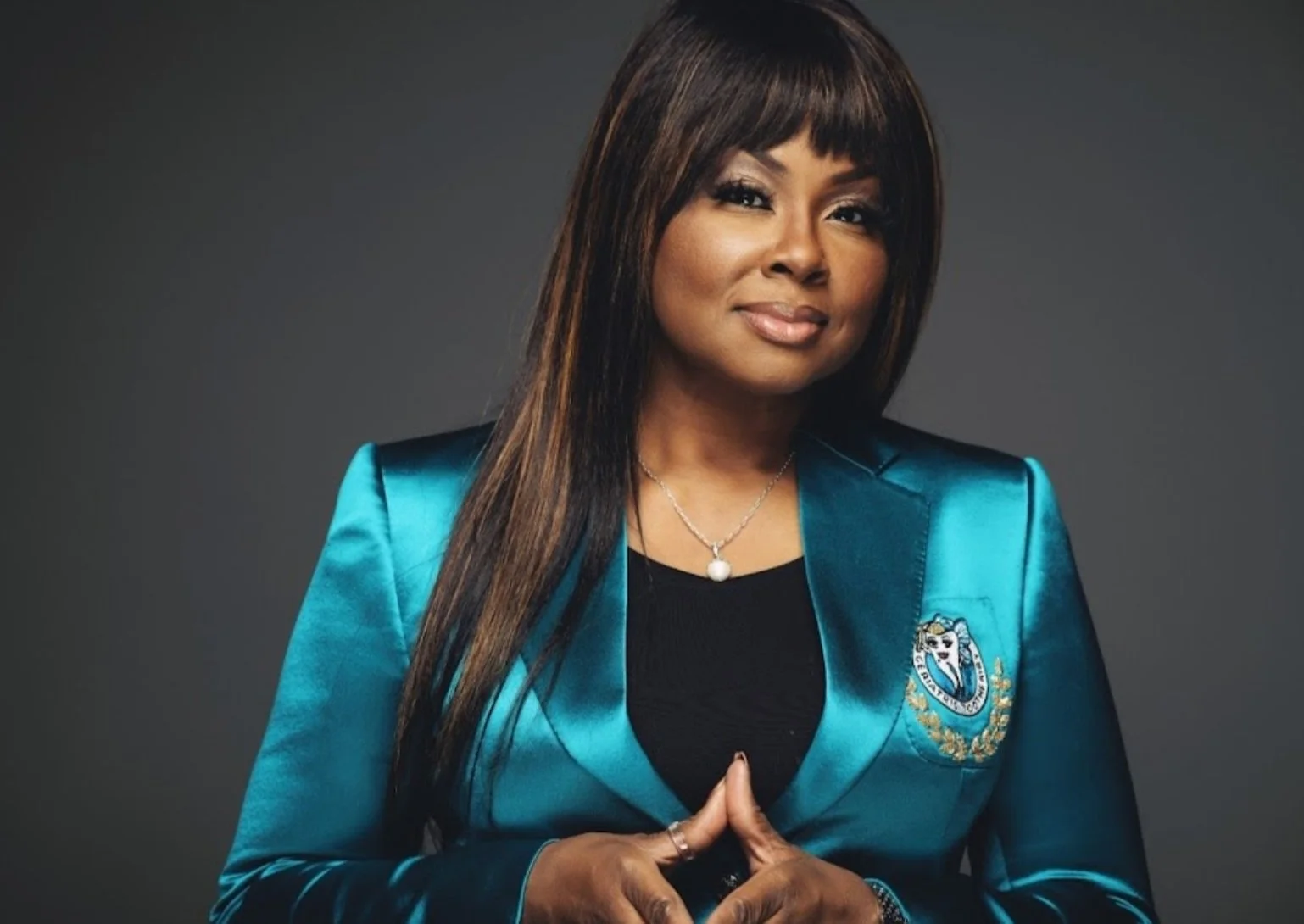
In collaboration with Dr. Sonya Dunbar, RDH
“The Geriatric Toothfairy”
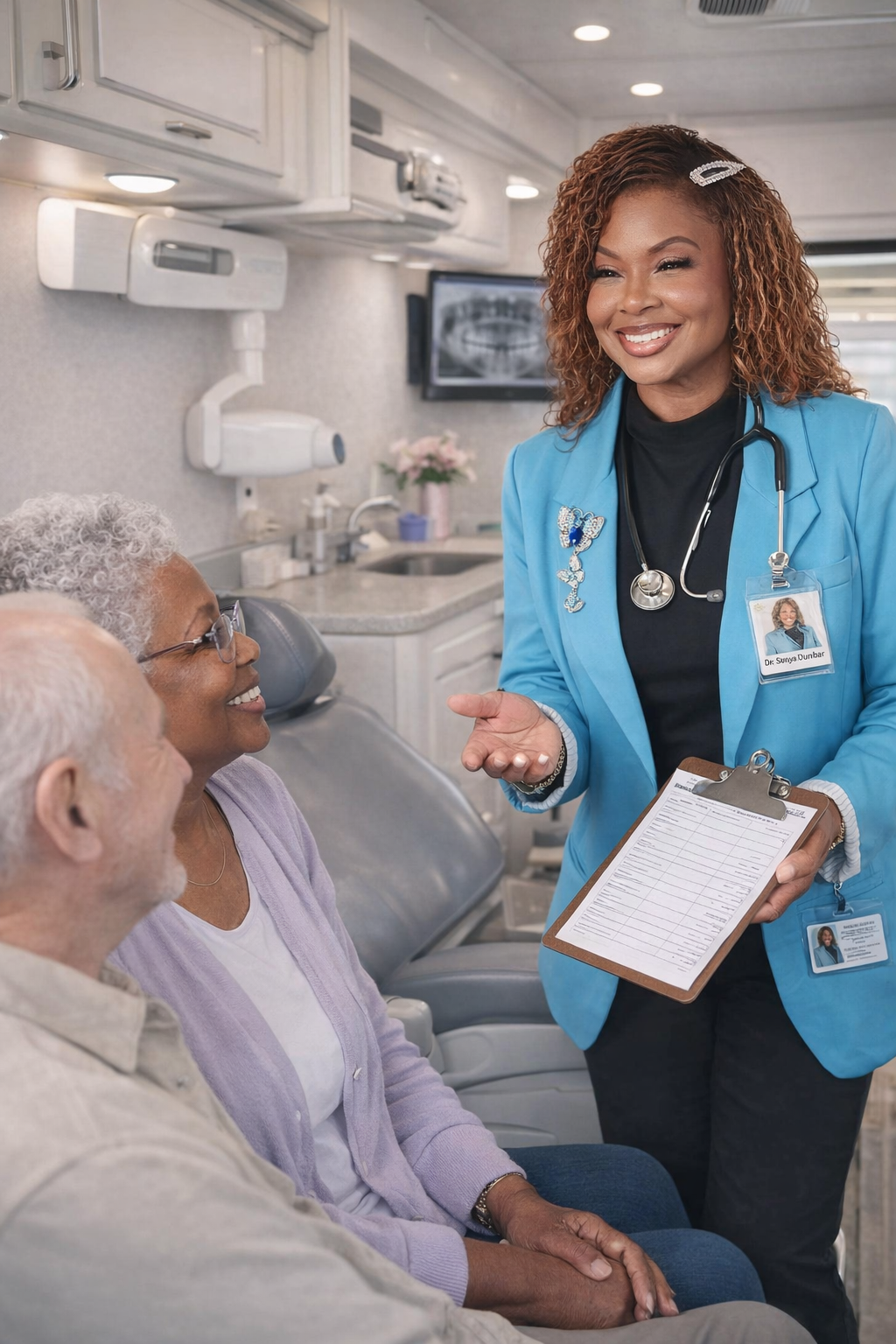
We are so glad you are here!
As we age, oral health needs evolve. This section is designed to support seniors, caregivers, and families with practical guidance, preventive education, and trusted professional insight.
Our shared goal: promote dignity, comfort, safety, and informed decision-making in geriatric dental care.

Understanding Oral Health in Aging Adults
Why Oral Health Matters in Later Life
Oral health is not cosmetic —
It is foundational to quality of life.
As a Registered Dental Hygienist with over 32 years in dentistry
and more than 20 years serving older adults in long-term care,
I have seen firsthand how oral health directly affects nutrition, confidence, speech, and social connection.
When the mouth hurts, seniors often stop smiling. When dentures do not fit properly, they stop eating comfortably. When breath odor becomes embarrassing, many withdraw socially. Poor oral health can quietly steal dignity.
Increased risk of dry mouth (often medication-related)
Higher cavity risk, especially root caries
Gum recession and sensitivity
Denture maintenance challenges
Increased risk of fungal infections
Oral-systemic health connection (heart disease, diabetes, nutrition)
Untreated oral disease can also contribute to weight loss, depression, difficulty chewing, and increased risk of aspiration pneumonia. The mouth is not separate from the body — it is directly connected to overall health.
Advocacy Reminder: Difficulty chewing, weight loss, oral sores, or persistent pain should always be evaluated.
If a senior suddenly becomes less social or refuses meals, always look in the mouth. The mouth tells a story.
12 Steps of Proper Denture Care
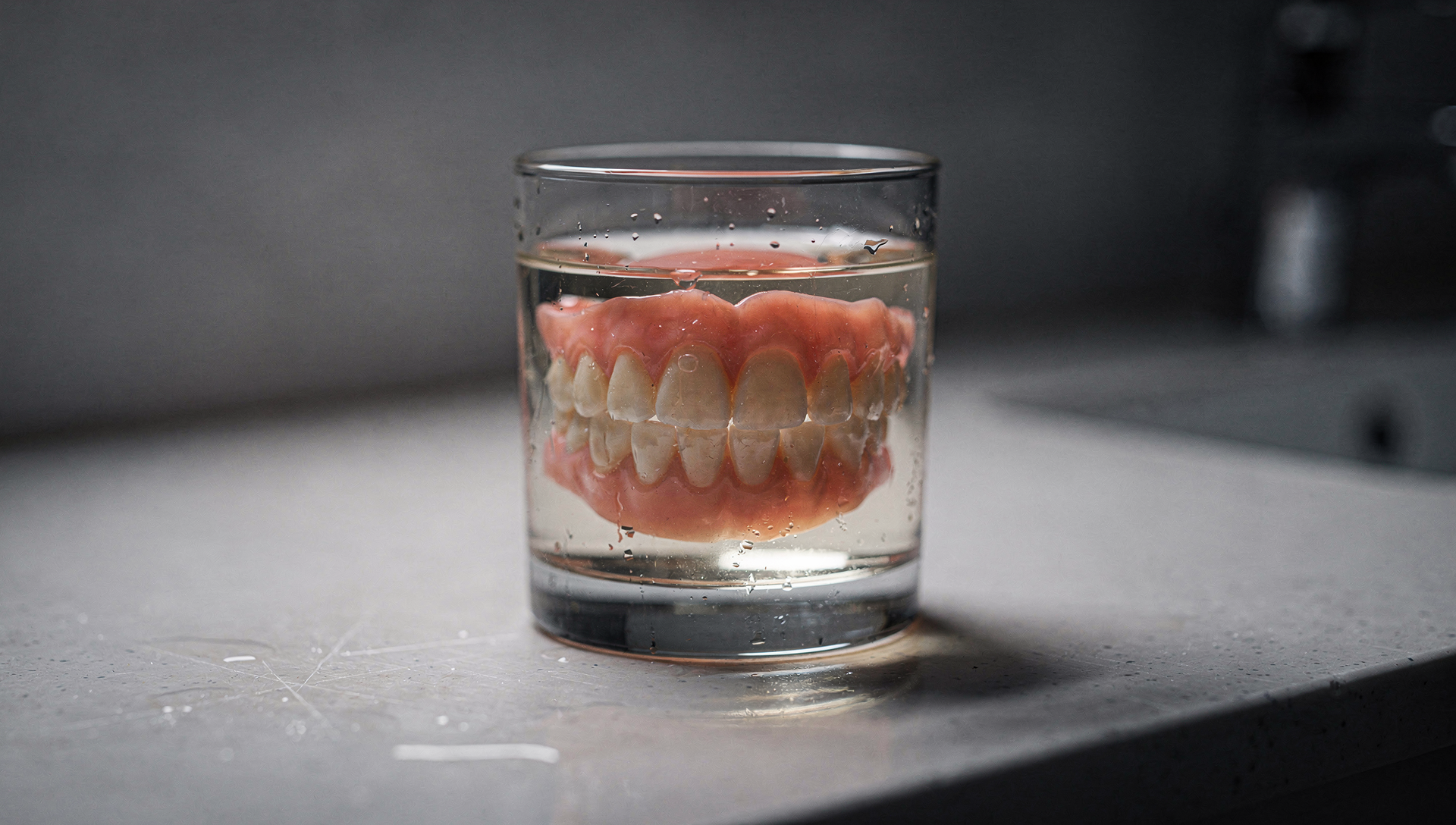
Remember — just because you wear dentures does NOT mean you no longer need to see the dentist.
Every denture wearer should receive an annual exam and oral cancer screening — even if they do not smoke. Tissue changes, fungal infections, and oral cancer can occur underneath dentures.
Dentures are not designed to last a lifetime. On average, they last 3–5 years. As we age, bone naturally shrinks, and dentures can become loose and unstable.
Daily Denture Care Checklist:
Remove and rinse dentures after eating
Brush dentures daily with a non-abrasive cleanser
Clean gums and tongue with a soft brush
Soak dentures overnight in the recommended solution
Avoid hot water (can warp dentures)
Store dentures in water when not worn
Rinse thoroughly before reinserting
Never use regular toothpaste on dentures
Check for cracks or looseness
Remove dentures at night to rest the tissues
Schedule a professional evaluation annually
Report sore spots immediately
If you rely on adhesive daily to keep dentures in place, it is often a sign that they need professional adjustment or replacement.
Caregiver Support Guide

How Caregivers Can Help:
Assist with brushing when dexterity is limited
Monitor for dry mouth
Encourage hydration
Watch for weight changes
Check denture fit weekly
Track dental appointments
Inspect tissues for redness or sores
Memory Care Tip:
Label denture containers clearly to prevent accidental disposal.
Dentures should also be clearly labeled with the patient’s name. In long-term care settings, dentures are often misplaced or accidentally discarded. Losing dentures can immediately affect nutrition and quality of life.
Caregivers are the frontline defense in protecting oral health. Your attention can prevent pain, infection, and unnecessary hospitalizations.
Dr. Sonya Dunbar, RDH Clinical Tips
Seek professional evaluation if you notice:
Bleeding gums
Ulcers lasting more than 2 weeks
Cracked or ill-fitting dentures
Pain while chewing
Difficulty swallowing
Sudden halitosis
Refusal to wear dentures
Unexplained weight loss
If dentures move when speaking or eating, this is not “normal aging.” It is often a sign of bone loss or improper fit and should be evaluated promptly.
When to Seek Evaluation

Geriatric dental care often involves:
Conservative treatment planning
Coordination with primary care providers
Consideration of overall health status
Alignment with quality-of-life priorities
Minimizing invasive care when appropriate
My philosophy is simple: The goal is not perfect teeth — the goal is comfort, function, safety, and dignity.
Every senior deserves to be heard. Treatment decisions should align with their medical condition, life goals, and overall well-being.
Comfort-Focused & Collaborative Dentistry

How NDAP Can Help
Complex geriatric dental cases often involve:
Multiple medical conditions
Medication interactions
Hospital or skilled nursing facility coordination
Medicare / medical insurance questions
Durable medical equipment needs
Sleep apnea or oral appliance therapy
Surgical referrals
NDAP provides neutral, patient-centered advocacy to support families through the process.
We Can Assist With:
Coordinating communication between dental and medical providers
Reviewing treatment plans for clarity
Explaining insurance coverage and limitations
Assisting with prior authorizations
Navigating medical billing for dental procedures when appropriate
Helping determine when dental procedures may qualify for medical insurance submission
Supporting documentation organization
Assisting with Medicare vs. PPO clarification.
Helping families understand cost responsibility before treatment
Ask us about Medicare - Covered Patient Advocacy Services!

Medical-Dental Billing Support (For Eligible Cases)
Certain dental procedures may qualify for medical insurance billing when tied to:
Trauma
Infection
Biopsy / pathology
Obstructive sleep apnea
Medically necessary extractions
Surgical interventions
Pre-cardiac or transplant clearance
Radiation-related care
NDAP helps determine:
Whether documentation supports medical submission
What coordination steps are required
What questions to ask providers
What documentation patients should request
Note: NDAP does not replace provider billing teams but supports patient understanding and coordination.
About Dr. Sonya Dunbar, RDH
From the Desk of Dr. Sonya Dunbar, RDH
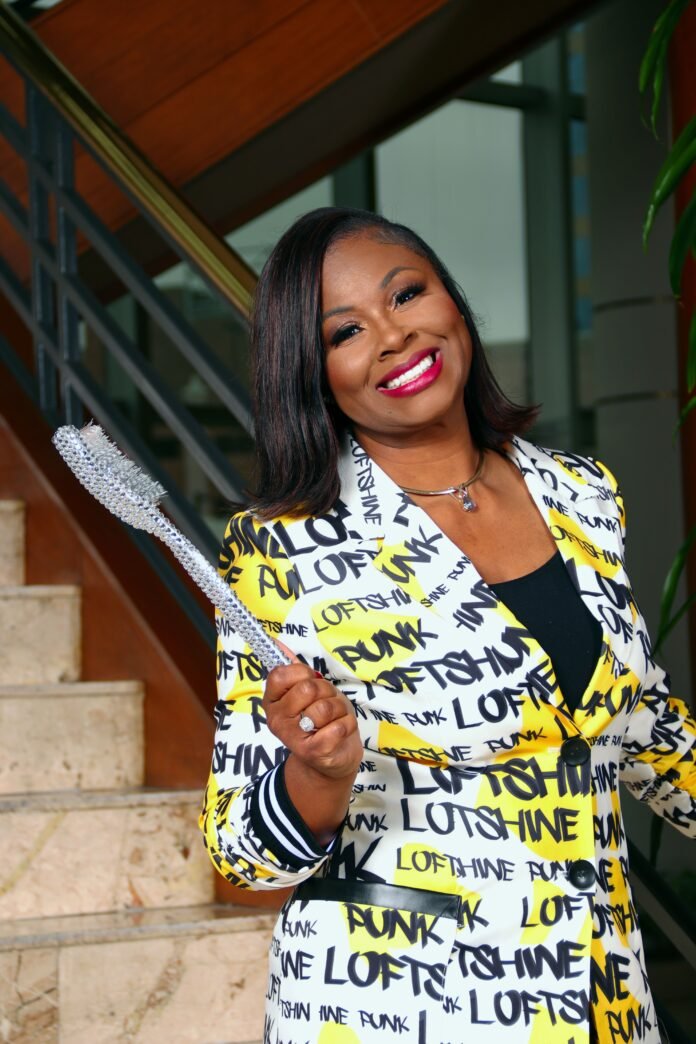
Dr. Sonya Dunbar, RDH, known globally as The Geriatric Toothfairy™, has been in dentistry for over 32 years and has dedicated more than 20 years to serving aging adults in long-term care facilities.
She is a nationally recognized geriatric oral health educator, long-term care provider, speaker, and advocate for senior dignity in healthcare.
Her work bridges the gap between medical and dental care, ensuring older adults receive compassionate, evidence-informed, and appropriate treatment.
Through education, certification programs, and community outreach, Dr. Dunbar empowers caregivers, families, and dental professionals to elevate the standard of geriatric oral care nationwide.
Dr. Dunbar’s life is dedicated to advancing better oral care for aging adults. She has committed her career to advocacy, education, and protecting the dignity of seniors who are often overlooked in healthcare systems.
“Being the voice for those whose voice has become a whisper.”
— Dr. Sonya Dunbar, RDH
This is not just her profession — it is her purpose. It is her calling.
Website:
www.sonyadunbar.com
Join the Geriatric Oral Care Community:
https://login.geriatricoralcertification.com/communities/groups/geriatric-oral-care-community